Mobile platform
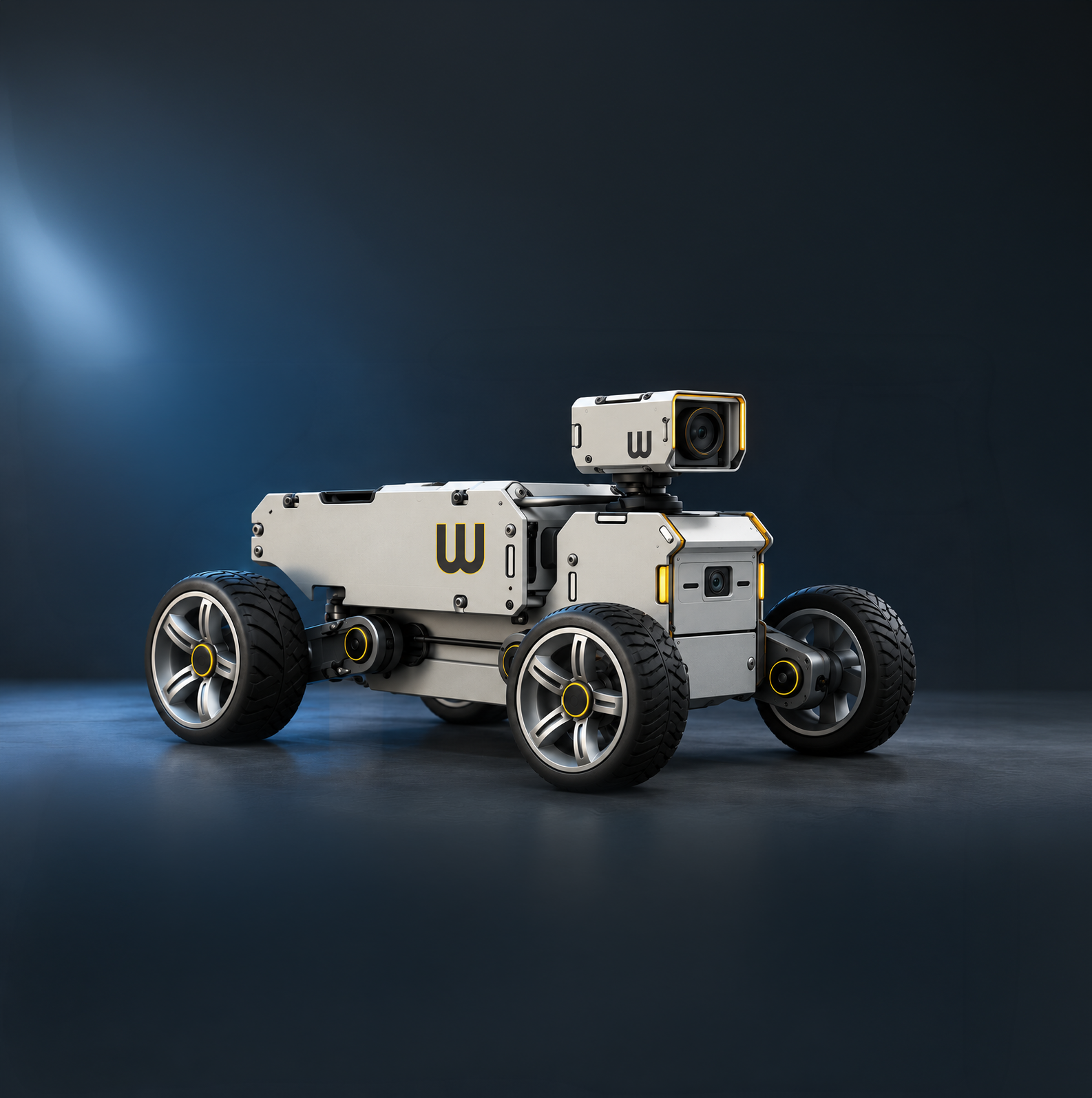
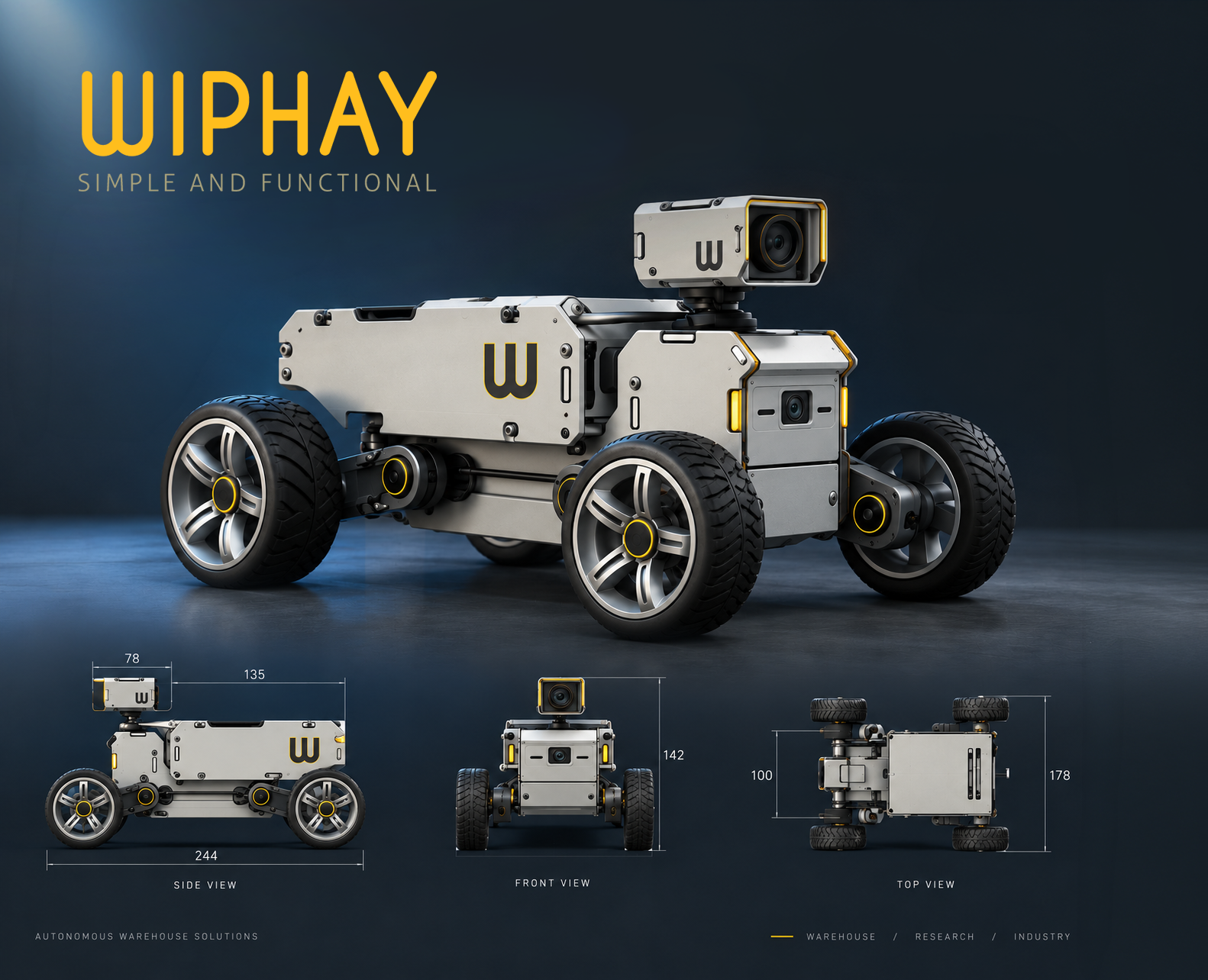
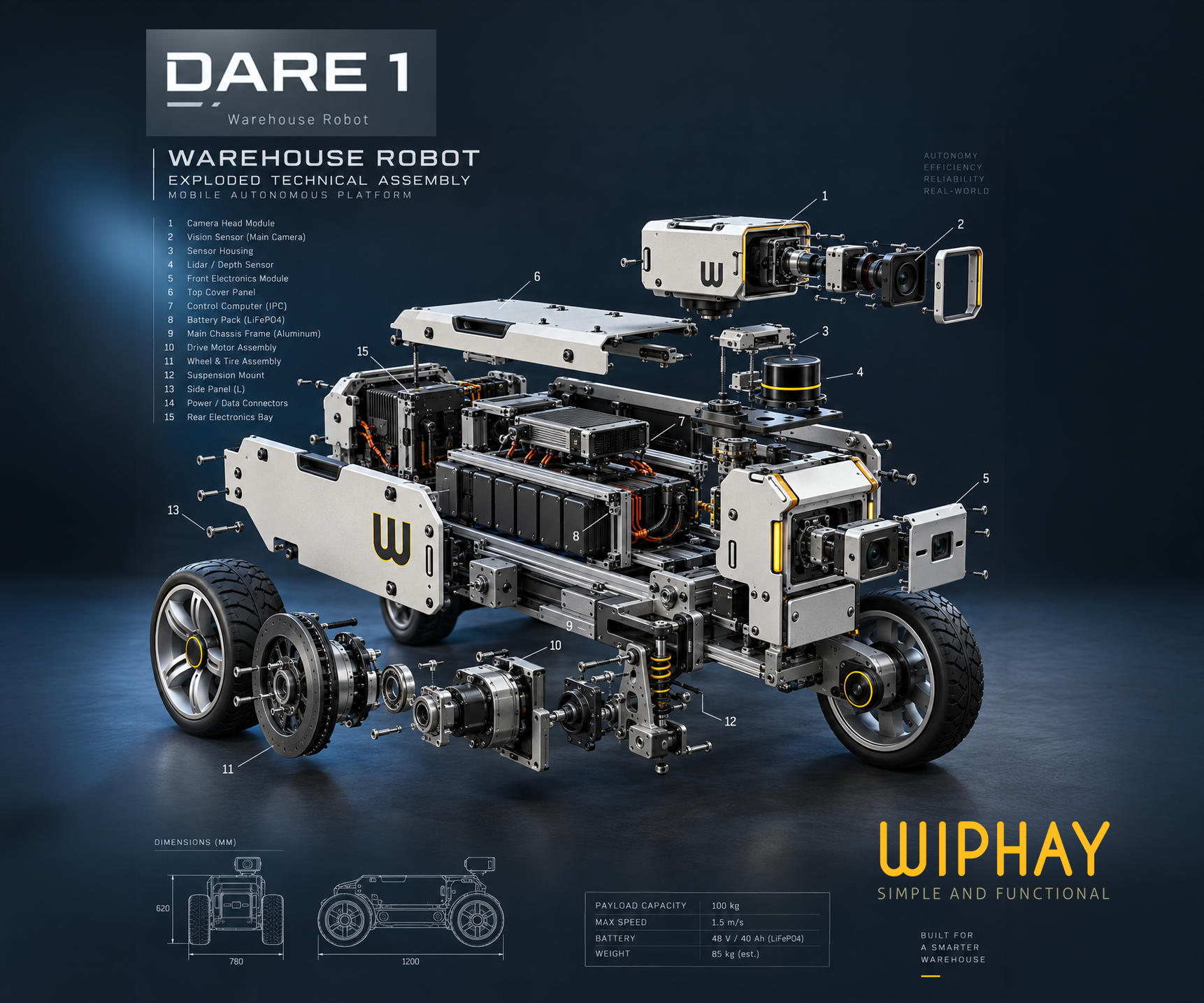
A modular robotic body designed for warehouse movement and task execution.

Autonomous & collaborative robotics for modern warehouses.
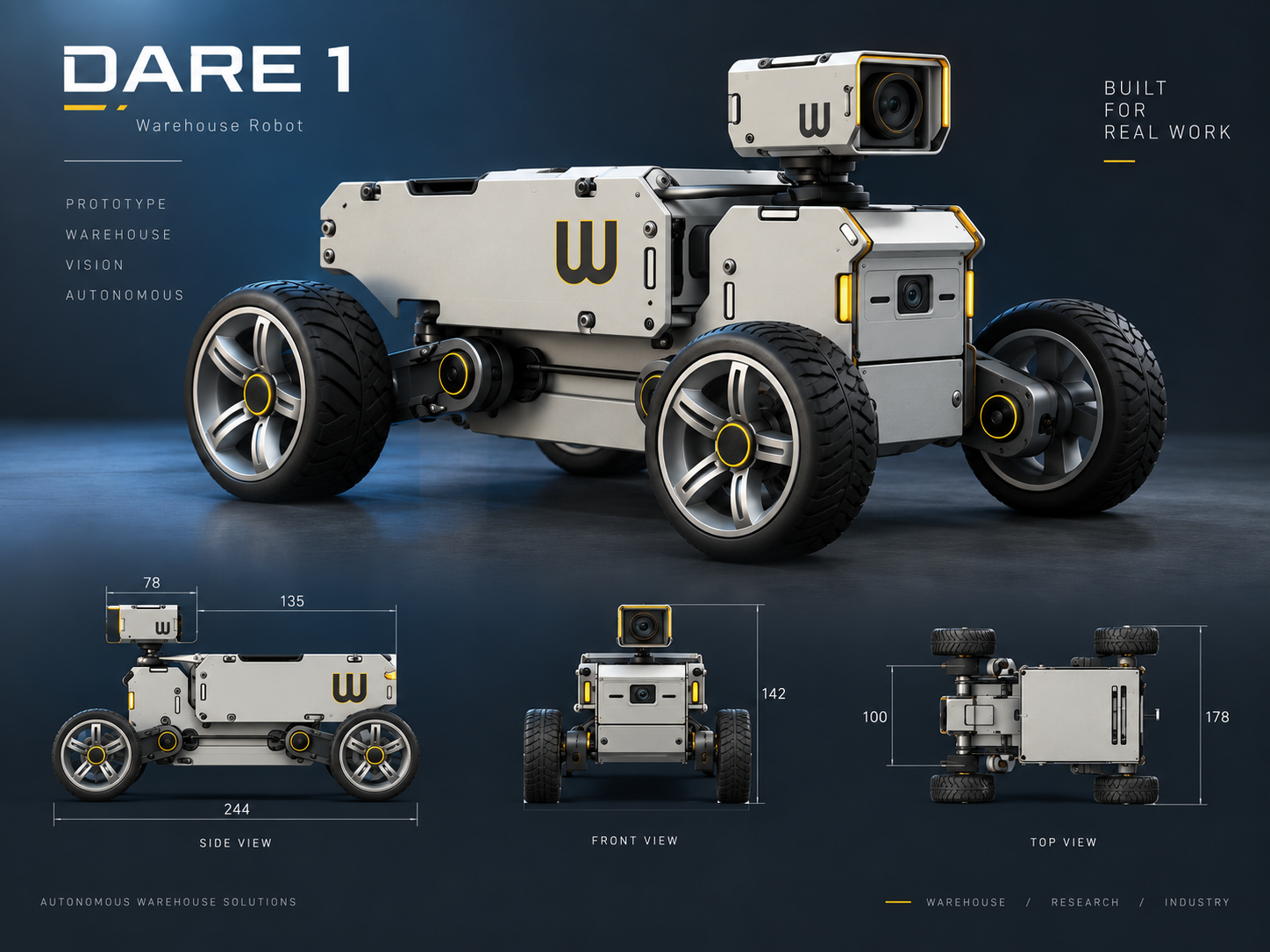
DARE 1 is an intelligent warehouse robotic platform designed to operate autonomously while remaining capable of working collaboratively alongside people.
Developed for dynamic warehouse and logistics environments, it unifies autonomous mobility, intelligent perception, computer vision, environmental awareness, navigation, task coordination, and human–robot collaboration.
People move. Inventory moves. Equipment changes position. Aisles become temporarily blocked. Operational priorities change throughout the day.
DARE 1 is being developed around this reality. Instead of depending exclusively on fixed routes or rigid automation infrastructure, the platform is designed around perception, autonomy, environmental awareness, and intelligent decision support.
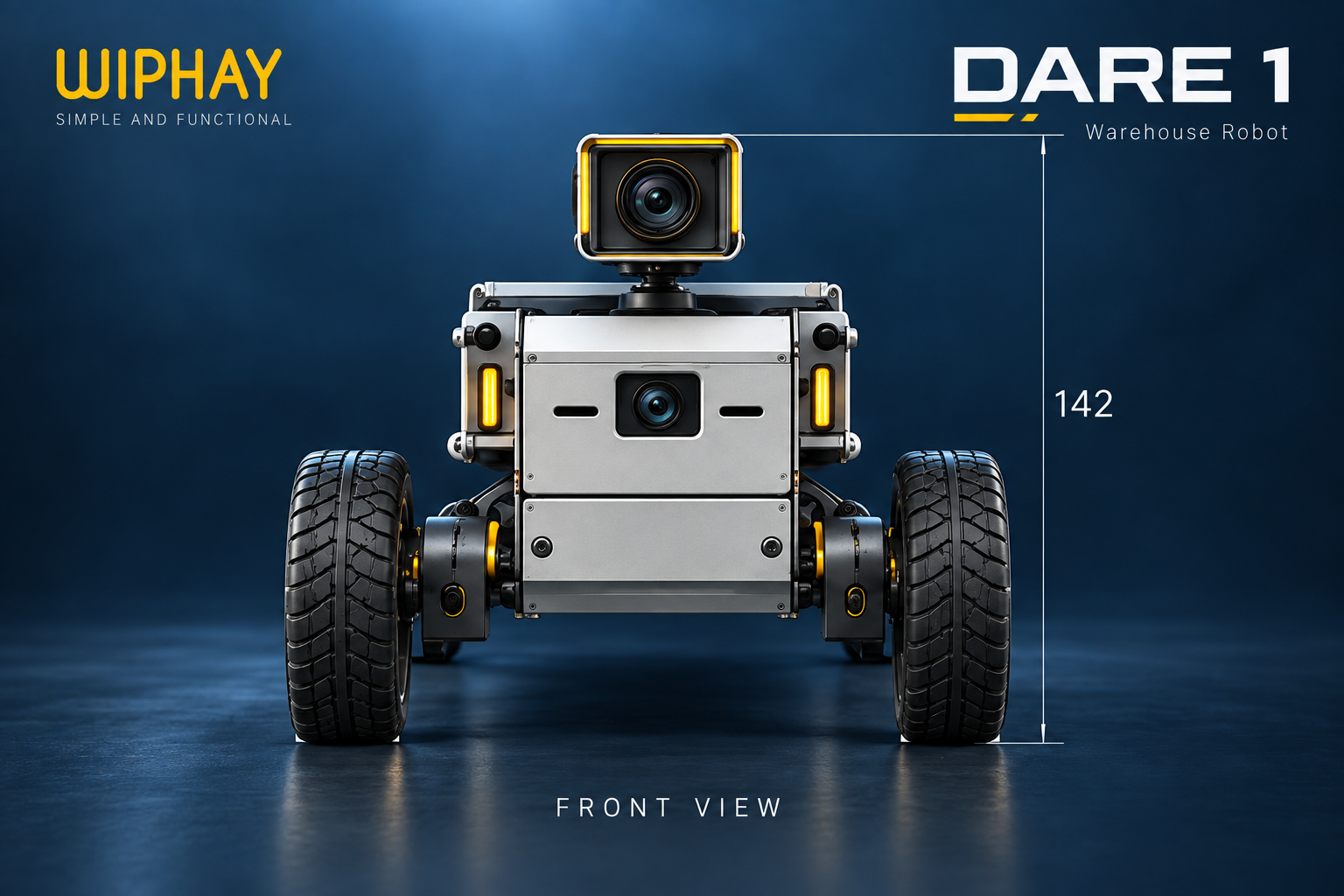
DARE 1 is a practical robotic platform for demanding indoor operational environments. Hardware, perception, intelligence, navigation, and operational software can evolve independently while remaining part of the same robotic ecosystem.
A modular robotic body designed for warehouse movement and task execution.
Local intelligence for perception, planning, and real-time control.
Wiphay Lens 1 converts visual data into structured environmental understanding.
Awareness of obstacles, people, inventory, and changing aisle conditions.
Localization, mapping, route planning, and destination movement.
Operational communication between robots, people, and warehouse software.
DARE 1 is designed to support autonomous movement throughout warehouse environments with reduced human intervention.
The objective is not simply to make the robot move. The objective is to allow the robot to understand where it is, what is around it, where it needs to go, and how to get there safely and efficiently.
Automation does not have to mean removing people from the workflow. DARE 1 is being designed around human–robot collaboration.
It can support workers by handling repetitive transportation, moving materials between operational areas, providing visual and inventory information, and coordinating tasks with other systems.
People + Robots + Inventory + Equipment + Software + Sensors + Infrastructure
This allows automation to become part of the existing workflow rather than requiring every warehouse process to be redesigned around the robot.
For DARE 1, vision is not simply a camera feed. It is a source of environmental intelligence. Wiphay Lens 1 is designed to transform visual information into structured data that robotic systems can use to understand their surroundings and support autonomous decisions.
Capture visual data from multiple viewpoints on the platform.
Identify objects, people, obstacles, and operational events.
Add spatial context so perception can influence robotic decisions.
Navigation and planning determine how DARE 1 executes the physical task.
Rather than depending on a single visual point, DARE 1 can combine camera positions and sensing perspectives around the robotic body.
Awareness of the operational path ahead of the robot.
Detection of inventory, equipment, and temporary aisle blocks.
Human detection for safer shared-workspace movement.
Recognition of warehouse zones, locations, and navigation areas.
Scene understanding that supports operational intelligence.
Coverage close to the robotic body and around the platform.
Seeing becomes useful when it is connected directly to decision-making.
Sees the environment.
Identifies relevant information.
Interprets the situation.
Determines the appropriate action.
Executes the physical task.
DARE 1 is designed as a platform capable of supporting multiple warehouse workflows.
Movement of materials between defined warehouse areas.
Transportation between receiving, storage, processing, fulfillment, and dispatch.
Sensing and computer vision to understand inventory locations and conditions.
Perception, localization, mapping, and planning throughout the facility.
Detection and interpretation of objects in the operational environment.
Identification of people in shared workspaces for safer collaboration.
Receiving, organizing, and executing operational tasks.
Connecting robotic activity with larger warehouse processes.
Supporting workers through coordinated physical automation.
DARE 1 is designed to function as more than an isolated machine. Operational information can return to the software layer, creating a continuous connection between digital warehouse intelligence and physical robotic activity.
Defines operational demand and priorities.
Turns demand into coordinated robot activity.
Perceive the live warehouse environment.
Executes navigation, control, and physical warehouse work.
The long-term architecture of Wiphay Robotics is based on connected robotic systems rather than isolated devices. One robot becomes part of a larger intelligent system.
Different components can evolve independently as technology and operational requirements change.
Robots operating around people must continuously understand their operational environment. Final safety architecture depends on the operating environment, hardware configuration, and applicable industrial standards.
Every robotic operation can generate useful information. DARE 1 can collect data related to movement, completed tasks, travel paths, obstacles, navigation events, utilization, and warehouse traffic.
The robot is both a physical automation platform and a source of operational intelligence.
A deployment can begin with a single robot and evolve toward multiple coordinated systems.
Individual autonomous operation
Centralized monitoring and task distribution
Robots, people, software, and vision in one environment
The development path is structured around progressive validation.
Together, vision, intelligence, the robotic platform, and connected software become intelligent warehouse robotics.
Vision and perception.
AI and decision systems.
Autonomous robotic platform.
Autonomous when it needs to be. Collaborative when people are involved. Designed for real warehouse workflows.
Wiphay Robotics is open to partnerships with warehouses, logistics companies, manufacturers, universities, research organizations, and strategic technology partners.
Test DARE 1 in real operational environments and evaluate specific warehouse use cases.
Connect hardware, sensors, cameras, AI models, and warehouse systems with the platform.
Collaborate on perception, autonomy, computer vision, navigation, and embodied intelligence.
Develop mechanical components, electronics, mobility systems, and production processes.
Explore how autonomous robots become part of existing workflows and infrastructure.
Build infrastructure for coordinating multiple DARE platforms.
DARE 1 — autonomous warehouse robotics. Wiphay Lens 1 — intelligent vision for robotic systems.